
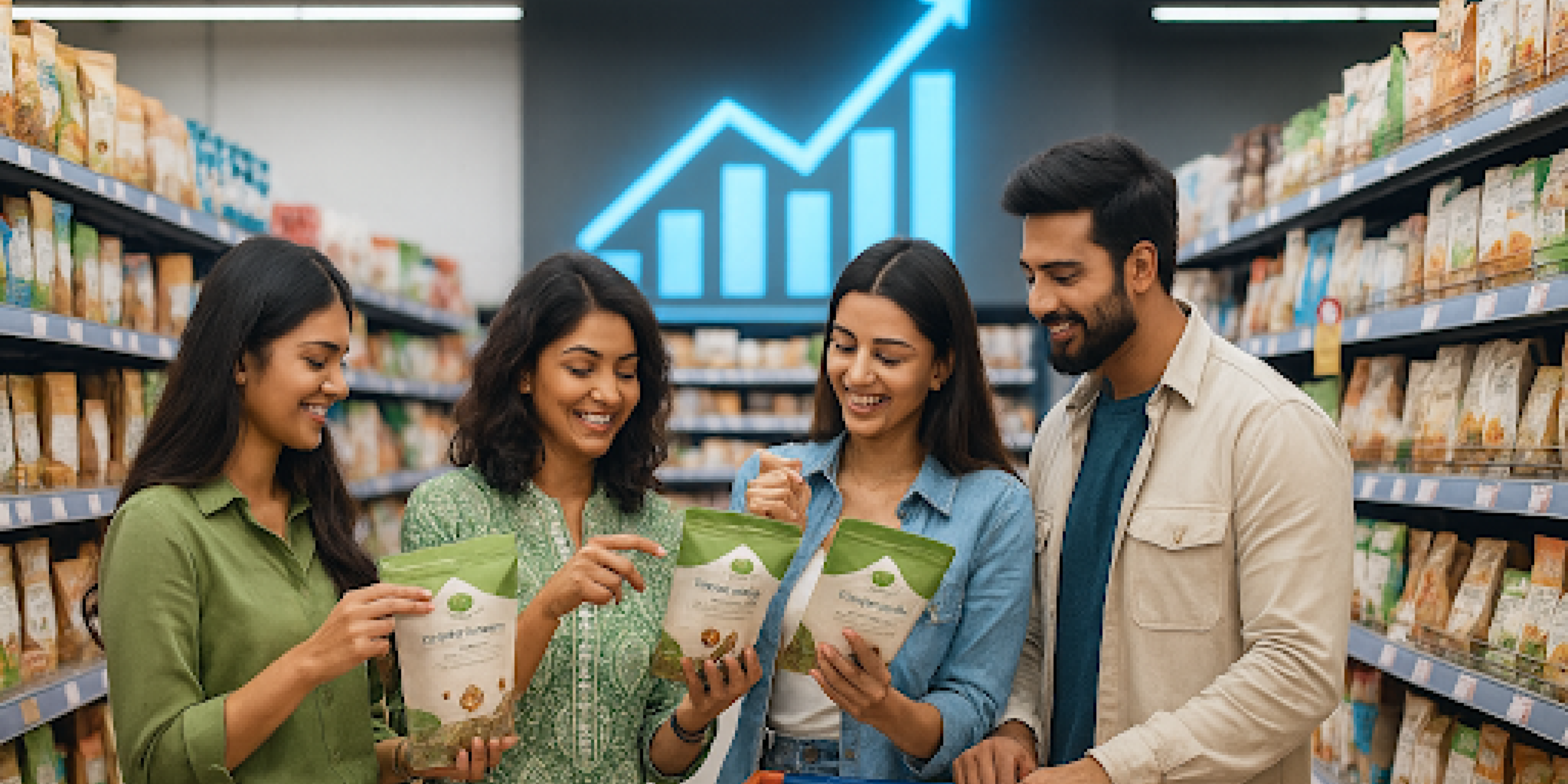
Sustainability is no longer a peripheral strategy for FMCG brands. It has become central to how consumers make purchase decisions and how companies build long-term trust. With environmental awareness continuing to rise and regulatory frameworks becoming stricter, biodegradable and eco-friendly packaging design is now seen as a core business investment rather than just a branding upgrade. In 2025, FMCG brands that choose to move towards sustainable packaging design will not only protect their reputation but also strengthen consumer loyalty.
Modern packaging design is expected to do more than just protect a product. It must communicate values, show responsibility and deliver practical usability. As a result, demand for sustainable packaging design, custom packaging design and eco-friendly packaging formats is growing across categories such as snacks, beverages, health foods and packaged essentials.
Why Biodegradable Packaging Is Taking Over
Consumers are increasingly aware of the environmental implications of plastic-heavy packaging. More than half of FMCG buyers today check for recyclability, minimal waste and eco claims before making a purchase. This mindset is especially strong among urban millennials and younger consumers who prefer brands using creative packaging design paired with conscious material choices. In addition, government regulations on single use plastics are accelerating adoption of sustainable packaging solutions.
Biodegradable materials such as plant-based films, sugarcane pulp, bamboo fibres, corn starch blends and mushroom-based packaging have shown promising results. While some formats are still evolving in terms of durability, many brands are adopting them in low-risk FMCG product lines to test performance before expanding use.
Key Trends Shaping Sustainable Packaging in 2025
Several noticeable shifts are shaping the evolution of environmentally responsible packaging in the FMCG industry. Biodegradable packaging and compostable materials are expected to be widely used, especially in food packaging design. Custom packaging design is gaining importance, helping brands reduce excess material through more precise formats. Smart packaging design is emerging slowly with digital tracking, freshness indicators and scannable user interaction elements. Alongside this, eco-friendly inks are increasingly replacing chemical-based variants to support sustainability. Packaging communication is also expected to become more transparent, clearly showing claims such as plastic free, recyclable or naturally compostable to drive buyer confidence.
Rather than treating these trends as isolated innovations, more FMCG companies are integrating sustainability into their long-term brand strategy. Packaging design is becoming an extension of identity and purpose, not a separate technical layer.
How FMCG Brands Can Design for Sustainability
Shifting to biodegradable packaging design requires more than choosing alternative materials. FMCG brands must consider a deeper connection between product safety, consumer experience and environmental impact. For food packaging design, freshness protection, transport durability and moisture resistance remain essential. Sustainable packaging must balance functional strength with reduced waste.
Other important areas to consider include structural efficiency, the ease of handling for the consumer, print feasibility and compatibility with supply chain storage. Brands working with sustainable packaging design agencies are exploring better ways to communicate the sustainability message through visual identity while retaining shelf impact.
White Warbler Communications and Sustainable Design
At White Warbler Communications, sustainable packaging design is shaping the future of the FMCG projects we take up. As a packaging design services provider, our process involves early engagement with brands to understand positioning, category expectations, target audiences and the feasibility of bio-based materials. We create packaging layouts that bring together custom packaging design strategy, minimal waste structure and visual storytelling. By supporting brands through both concept and prototype phases, we help them move to sustainable formats without losing impact.
Our process typically includes packaging concept development, structural planning, custom packaging design, 3D mockups and production-ready artwork. When required, we work closely with manufacturing teams to ensure material compatibility. FMCG packaging design that successfully combines sustainability and shelf visibility leads to more meaningful impact across physical and digital platforms.
Smart Sustainable Packaging: Technology with Purpose
An important development in sustainable packaging is the integration of digital interactivity. Smart packaging design is being used to help consumers scan packs to learn more about the sourcing, sustainability process and authenticity. Brands are exploring QR codes for ingredient transparency, freshness indicators and even digital usage instructions that replace printed inserts.
This approach reduces paper consumption and creates an opportunity to share more information without compromising physical packaging simplicity. When combined with sustainable materials and custom packaging development, the result is an eco-conscious and connected packaging experience.
What Challenges Brands May Face
Although promising, adoption of biodegradable packaging can bring challenges. Material costs tend to be higher than conventional plastics and some materials perform differently under varying climate and shelf conditions. FMCG companies may need to test small batches before widespread use. Sealing compatibility, structural strength and moisture resistance may require iterative refinement. Lack of consumer awareness is another issue, which is why packaging design must clearly communicate its sustainable benefit. Brands that proactively guide consumers through graphics and text on the pack often find faster acceptance.
From a process perspective, phased implementation works best. Brands usually begin with one SKU to assess feedback, then expand gradually. A reliable packaging design agency can help manage this transition by assisting with strategy, testing and visual alignment.
Looking Ahead: What To Expect in the Near Future
As FMCG sustainability evolves, biodegradable packaging will continue to gain prevalence. Custom packaging design will help optimise dimensions and material usage. Creative packaging design will align more closely with ecological identity. Smart packaging design will add interactive value while reducing printed clutter. Use of water based inks and eco-conscious print substrates will become standard practice. Transparent sustainability messages on packaging will help brands strengthen consumer trust and accountability.
This shift is not about short term change but about long term positioning. Brands that invest early in sustainable packaging design will be seen as progressive and responsible. Increased market attractiveness and higher retention are likely outcomes for FMCG businesses that choose to lead instead of adapt later.
Practical Recommendations for FMCG Brands Starting the Shift
- Begin with one or two SKUs to handle controlled adoption
- Use visuals and text on packaging to educate consumers
- Implement custom packaging design to reduce material usage
- Explore digital engagement via smart packaging touchpoints
- Ensure compatibility with manufacturing and sealing systems
- Choose packaging design agencies familiar with sustainable formats
- Conduct performance testing before mass production
These steps improve adoption effectiveness and help reduce risk during change.
The rise of biodegradable packaging represents a fundamental shift in how FMCG brands design, communicate and deliver products to consumers. It combines environmental responsibility with strategic branding. Sustainable packaging design is no longer limited to niche markets. It is rapidly becoming part of mainstream FMCG packaging strategy.
At White Warbler Communications, we work closely with brands to create packaging that is practical, visually strong and responsibly designed. Whether it is product packaging design for growing D2C brands or FMCG packaging design for large scale rollout, our approach supports clarity, sustainability and market readiness. From concept to custom packaging design and 3D mockup execution, we prioritise packaging that supports brand values and future goals.
The future of FMCG packaging belongs to brands that design responsibly and communicate deliberately. Biodegradable packaging is not just an industry adjustment. It is a design revolution based on purpose, clarity and conscious innovation.
Looking to transition to sustainable packaging without compromising brand impact or product experience? Connect with White Warbler Communications to explore packaging strategies that align with market readiness and environmental responsibility.