
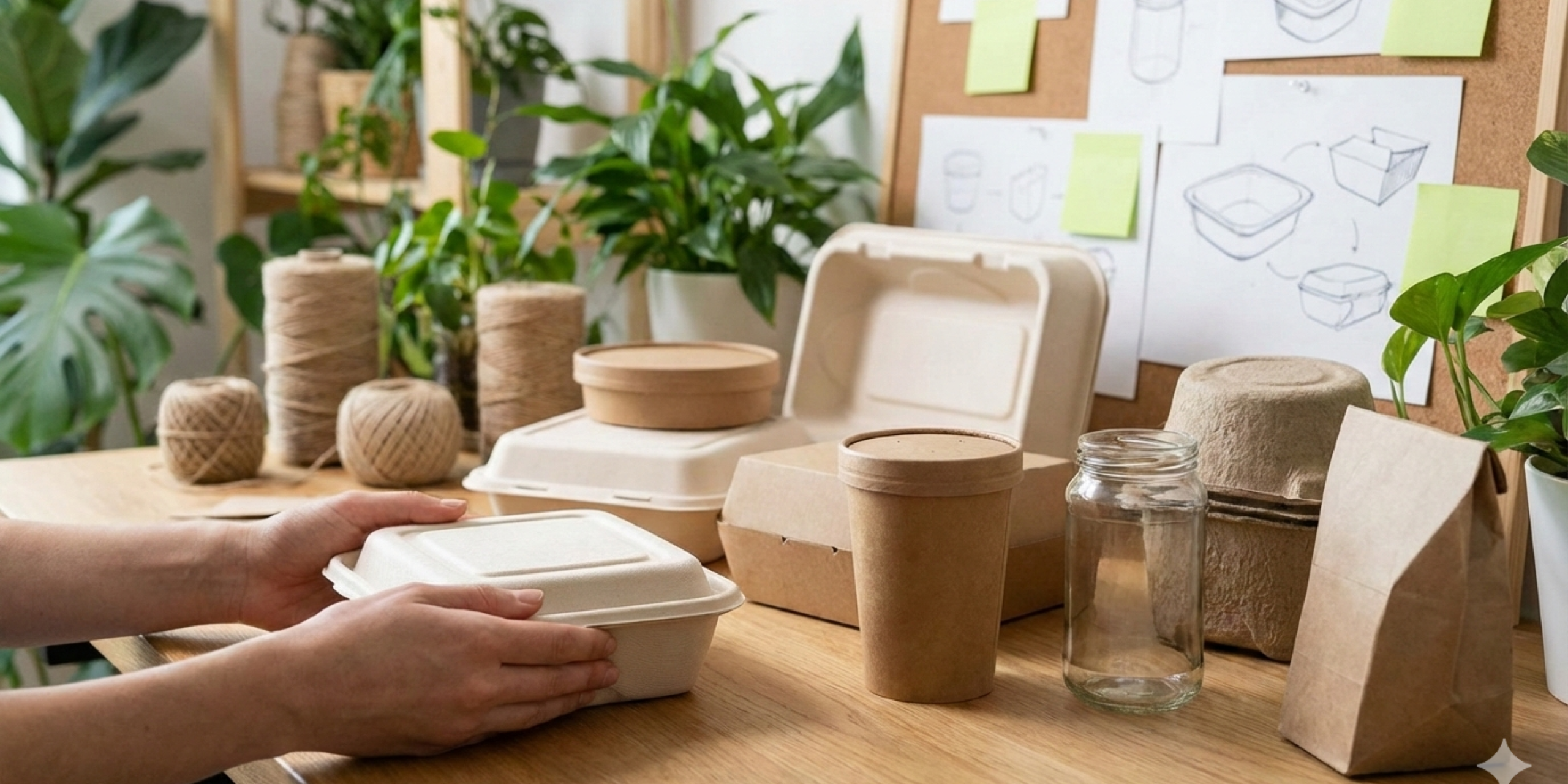
There is no longer a choice for brands when it comes to sustainability; it’s part of how customers find, assess, and trust products. Customers who care about ecological issues have significantly changed the packaging landscape in the past couple of years by demanding brands revise their selection of materials and designs to fit into a more sustainable way to turn their company’s vision into reality.
A company was once able to differentiate itself with a “green” package as a premium or niche offering; now, consumers consider it standard to have an eco-friendly package that provides a sense of corporate responsibility, openness, and concern for nature without detracting from practicality and aesthetics. Everything from how materials are obtained to the UI of the package itself is being reviewed because of this movement.
The rise of the eco-conscious consumer
Today’s consumers are increasingly educated when it comes to product purchase decisions. The accessibility of information, documentaries, and social media has made the impact of packaging waste on our planet much clearer and more immediate to consumers. Consumers are now aware of where their waste goes and how it affects landfills, oceans and communities; hence, packaging is playing an increasingly vital role in consumer purchasing decisions due to a growing awareness of the environmental impact of packaged products.
Eco-conscious consumers now look at both the product itself and the packaging when making their purchasing decisions. Consumers now see the benefits of choosing recyclable, compostable, or reusable packaging over traditional packaging options. As well, consumers are increasingly using the label as a means to gain an understanding of a brand’s level of commitment to being eco-friendly, as well as looking for certifications that speak to a brand’s sustainability efforts, in order to build trust with a brand.
As a result of this change in consumer behaviour, brands are now investing much more heavily in packaging design and development than they have in the past. As a result, Brands are treating packaging as an integral part of their overall brand strategy, as well as their strategy for gaining consumer trust.
Sustainable materials shaping innovation
“The use of paper-based composites (e.g., cardboard) and bioplastics (e.g., PLA) is growing as consumers shift away from the use of conventional plastic materials.” The introduction of refillable packages and recyclable mono-materials has helped the FMCG industry reduce their carbon emissions related to the transportation of packaged goods. Flexible packaging is now being redesigned to offer environmentally sustainable solutions using recyclable and compostable materials, thereby addressing some of the negative perceptions related to the excessive use of flexible material products.
The consumer perception of materials selected for the manufacture of FMCG product/package is equally important. Packaging with a natural, minimalist, and honest appearance conveys a greater appeal to consumers who are environmentally aware. The challenge and opportunity for innovation in the development of packaging solutions is to provide sustainable packaging without sacrificing durability, shelf life, and product protection.”
Design that communicates responsibility
Sustainable Packaging is not just about the materials used. Design is an important part of how sustainability is defined and viewed by the customer. A clean and tidy layout, natural-colour scheme, and open communication about what the brand is doing to be sustainable provide a way for brands to communicate their values without bombarding consumers.
Visual Hierarchy is a tool for highlighting key messages regarding a brand’s sustainability efforts. Practicality over clutter, that is the best way to describe the use of Visual Hierarchy in Sustainable Packaging.
Well-thought-out placement of icons and other sustainability certifications makes for easy-to-read packaging. Typography and spacing will define the customer’s trust and will create easier access to the packaging and the product itself.
Today’s packaging design is created on principles of restraint; today’s packaging design has room to let the product and message breathe. Sustainable Packaging reflects a trend we see in User Experience Design in digital applications where clarity and ease of use come to the forefront, along with speed to delivery and decision making.
Consumer behaviour driving digital integration
Conscious about the environment and of their impact on it, conscious consumers are not only evaluating eco-friendly merchandise at the actual shelf, but also taking their time researching products online, comparing different brands, and reading the reviews of other consumers. As a result of this consumer behaviour, many organizations have begun aligning their packaging with their digital channels, including their e-commerce sites or marketplaces, and their mobile device apps.
In some cases packaging serves as an entry point into a deeper digital connection. For example, QR codes may lead to sourcing stories about products sold; using less physical packaging may encourage consumers to engage with the brand’s website to better understand how to use the product and why it matters to the world today; and companies making sustainability claims provide online evidence of their claims, rather than overwhelming consumers with print on the actual packaging.
Thoughtfully designed user interface (UI) and user experience (UX) services support the overall sustainability narrative of the organizations and their brands. Responsive web design allows organizations to develop a seamless experience for eco-focused messaging across all device types. A well-designed landing page provides a framework to establish a brand’s packaging-related decisions without appearing to greenwash. E-commerce website design supports sustainability filters, as well as easy access to product details.
Ultimately, both packaging innovation and digital experience design will continue to work together for the benefit of building trust and ongoing loyalty between brands and consumers.
The role of transparency and honesty
Sustainability claims are not lost on eco-conscious consumers – because they have been burned too many times by “green-washing”, eco-conscious consumers tend to treat these claims with caution. As such, most eco-friendly brands must develop a strong relationship with their packaging choices and communicate them in a manner that will build trust with consumers.
When brands do not provide a perfect solution, yet promote an ongoing commitment to progress and responsibility, these brands usually resonate with consumers. Brands must employ simple, easy to understand labelling and utilize user-friendly digital content to ensure consumers know they are not only “sold” but actually informed.
Lastly, to support this level of transparency in packaging design, brands focus on factual communication of the practical benefits associated with their packaging design, rather than exaggerated claims they have made regarding their packaging. Brands that communicate factually about the recyclable nature of their packaging, the reduced use of fossil fuels during production, and the responsibly sourced nature of their packaging are examples of how brands can achieve this level of professionalism and transparency.
How brands are responding strategically
In response to the growing demand for sustainable products and packaging, many companies are incorporating sustainability into their core design and development processes. The decision on how to design packaging will also determine how a company’s brand is created and managed, how the digital strategy will be executed, and how to best provide an outstanding customer experience.
When agencies and teams work together across all aspects of a brand’s packaging, website, mobile apps and user experience, they can create brands that are viewed as having credible and consistent sustainability messages. Brands where there is a consistent language between the physical packaging and the digital platform will gain an increase in consumer trust.
An integrated approach to sustainability enables brands to achieve increased efficiency and effectiveness across all areas of their business without sacrificing clarity and consistency. Such an approach guarantees that all innovation is practical, measurable, and aligned with the brand’s long-term business objectives.
The future of sustainable packaging
With the growth of eco-conscious consumers, packaging innovation will develop into a more precise and responsible model. The emphasis will be placed on more than just being recyclable, as new models move towards regenerative packaging, circular packaging as well as a low-impact supply chain.
Technology will allow for better tracking to create smarter materials with an efficient production. Digital platforms will increasingly educate consumers, bridging the gap between product, packaging, and purpose.
The brands that will excel in the upcoming era will be those who can effectively listen to customer behaviour, invest in innovative design and communicate transparently through each stage of the journey. Sustainable packaging has now transitioned from being a competitive edge to the baseline expectation of consumers who are passionate about the way their consumption impacts the world around them.